
The cultural impact of casinos on modern society
The Historical Context of Casinos
Casinos have long been a part of human civilization, evolving from ancient gambling games to the modern entertainment complexes we know today. Historically, gambling can be traced back to various cultures, with evidence found in ancient China, Rome, and Greece. In these societies, games of chance served not only as entertainment but also as a means to foster social interaction and community bonding. As societies progressed, so did the nature of gambling, transitioning from local games to large, organized establishments where people flocked to try their luck. With the rise of technology, platforms like mafia casino online have begun to change the landscape of gaming.
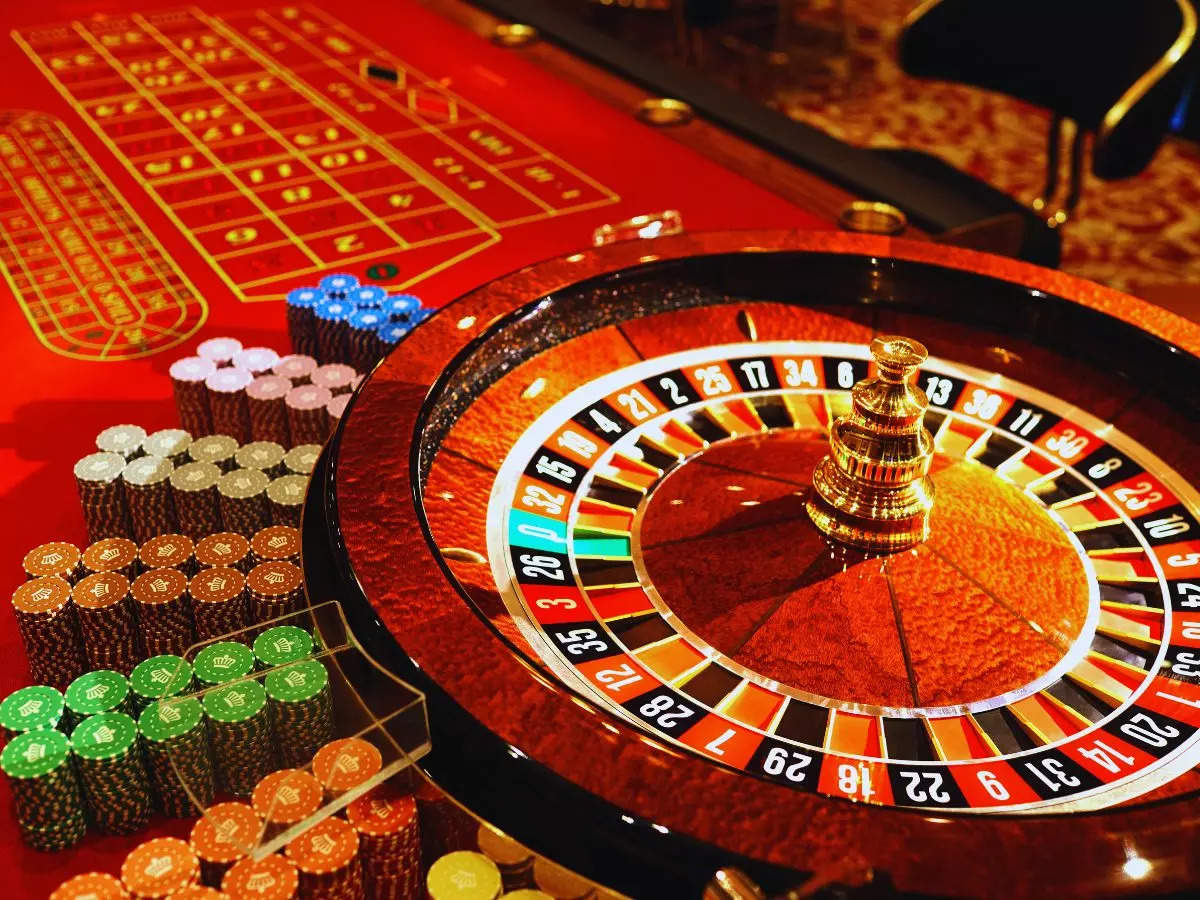
The establishment of casinos as we know them today began in the 17th century, particularly in Italy with the creation of the first official gambling houses. This model spread across Europe, influencing societal norms and values surrounding gambling. By the 20th century, Las Vegas emerged as the gambling capital of the world, revolutionizing the casino experience with extravagant shows and luxurious accommodations. This evolution reflects broader cultural shifts, showing how casinos have adapted to meet societal demands for entertainment and leisure.
Today, casinos represent a blend of tradition and modernity, becoming integral to the cultural fabric of many societies. They act as social hubs where individuals gather to enjoy various forms of entertainment, from gaming to dining. The fusion of technology and gambling has further shaped contemporary casinos, with innovations like online gaming expanding their reach globally. As such, casinos continue to reflect and shape the cultural landscape, influencing perceptions of risk, reward, and social interaction.
The Psychological Appeal of Gambling
The allure of gambling lies deeply rooted in human psychology. Casinos are designed to stimulate the senses and create an environment that encourages prolonged engagement. The sounds of slot machines, the bright lights, and the excitement of winning trigger the release of dopamine, a neurotransmitter associated with pleasure and reward. This physiological response can lead to a euphoric state, encouraging players to continue gambling despite the risks involved. This psychological manipulation is a crucial factor in the success of casinos.
Moreover, the psychology of risk plays a significant role in gambling behavior. Many individuals are drawn to the thrill of taking risks, often driven by the potential for a significant win. This desire for excitement can lead to a cycle of gambling that is difficult to break. The idea of “near misses,” where players come close to winning without actually succeeding, can further entice individuals to keep playing, as they may perceive their chances of winning as more favorable than they actually are.
Additionally, casinos cater to various psychological needs, such as the desire for social connection or escapism from daily life. Many people visit casinos not just to gamble but also to socialize and engage with others in an exhilarating environment. This blend of psychological factors contributes to the ongoing popularity of casinos, illustrating their profound impact on modern societal behaviors and attitudes towards risk and reward.
The Economic Implications of Casinos
Casinos significantly impact local and national economies by generating substantial revenue and creating job opportunities. They attract millions of visitors each year, contributing to tourism and hospitality sectors. In cities like Las Vegas and Atlantic City, casinos serve as economic powerhouses, driving growth and development. This influx of visitors also supports surrounding businesses, including restaurants, hotels, and entertainment venues, further enhancing the economic benefits of casinos.
Furthermore, the taxation from casinos provides governments with substantial financial resources. These funds can be directed toward public services such as education, infrastructure, and healthcare. However, the economic benefits can be a double-edged sword, as the potential for gambling addiction and financial distress among individuals can lead to increased social costs. Communities must balance the economic gains from casinos with the potential negative consequences that gambling can bring to individuals and families.
The integration of casinos into the economy also leads to discussions about regulatory measures and responsible gambling initiatives. As the industry grows, so does the need for policies that protect vulnerable populations while still promoting the economic advantages that casinos can offer. This delicate balance underscores the significant economic implications casinos have on modern society, influencing not just individual fortunes but also community well-being.
Casinos and Social Behavior
The presence of casinos can significantly alter social dynamics within communities. Many individuals view casinos as entertainment hubs that foster social interaction and community building. People often gather at these venues not only to gamble but to enjoy live performances, dine, and partake in various activities. This communal aspect can lead to the formation of social bonds, as shared experiences in casinos create a sense of belonging among visitors.
However, the impact of casinos on social behavior is not universally positive. For some individuals, gambling can lead to addiction and financial strain, which can adversely affect personal relationships and family dynamics. The normalization of gambling as a recreational activity can also shift societal attitudes, potentially desensitizing individuals to the risks associated with gambling. These contrasting effects highlight the complex role that casinos play in shaping social behavior and community life.
Moreover, casinos often serve as a reflection of societal values, showcasing a culture that increasingly embraces risk-taking and instant gratification. This evolving perception can influence younger generations, potentially normalizing gambling as a mainstream activity. As such, the cultural impact of casinos extends beyond mere entertainment, affecting how society views risk, success, and social interaction.

Exploring Modern Online Casinos
With the advent of technology, the landscape of gambling has drastically changed, leading to the rise of online casinos. These platforms offer players the ability to engage in gambling from the comfort of their homes, significantly broadening access to various games. The convenience and anonymity provided by online casinos appeal to many, allowing for a more personalized gambling experience. This shift has led to a surge in participation, particularly among younger demographics who prefer digital engagement.
Online casinos have also introduced innovative features that enhance user experience, such as live dealer games and mobile applications. These advancements create an immersive experience that mimics the atmosphere of a physical casino, capturing the essence of traditional gambling while catering to modern preferences. The integration of social media and online communities further fosters interaction among players, transforming gambling into a more communal activity, albeit in a virtual setting.
However, this transition to online platforms raises questions about regulation, responsible gambling, and player protection. The ease of access can lead to increased risks of addiction and financial distress, necessitating the implementation of robust regulatory frameworks. As online casinos continue to grow, the industry faces the challenge of balancing innovation with the need for player safety and responsible gambling practices, thereby shaping the future of gambling in modern society.